
Access Kentucky Deed Records
Kentucky deed records document property ownership across the Commonwealth. These records are maintained by county clerks in each of the 120 counties. You can search for deeds, mortgages, liens, and other land documents online or in person. Many counties offer free online access to recent records. Older documents may require a visit to the clerk's office. Understanding how to find these records helps property owners, buyers, and researchers track ownership history.
Kentucky Deed Records Quick Facts
Where to Find Kentucky Deed Records
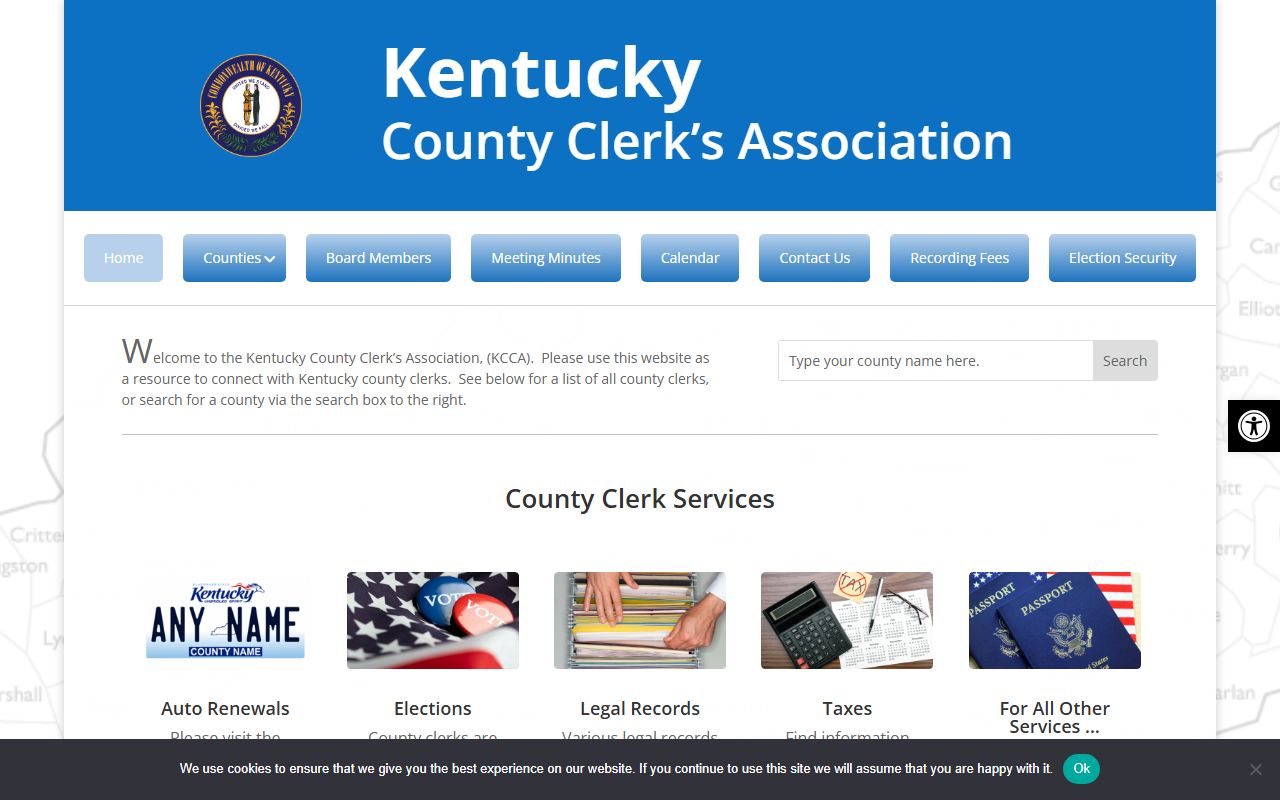
County clerks maintain deed records in Kentucky. Each of the 120 counties has an elected clerk who records and stores land documents. The Kentucky County Clerks Association provides resources and standardization across offices. Most clerks follow similar procedures established under KRS 382.110 and related statutes. You can access records through online portals, in-person visits, or mail requests.
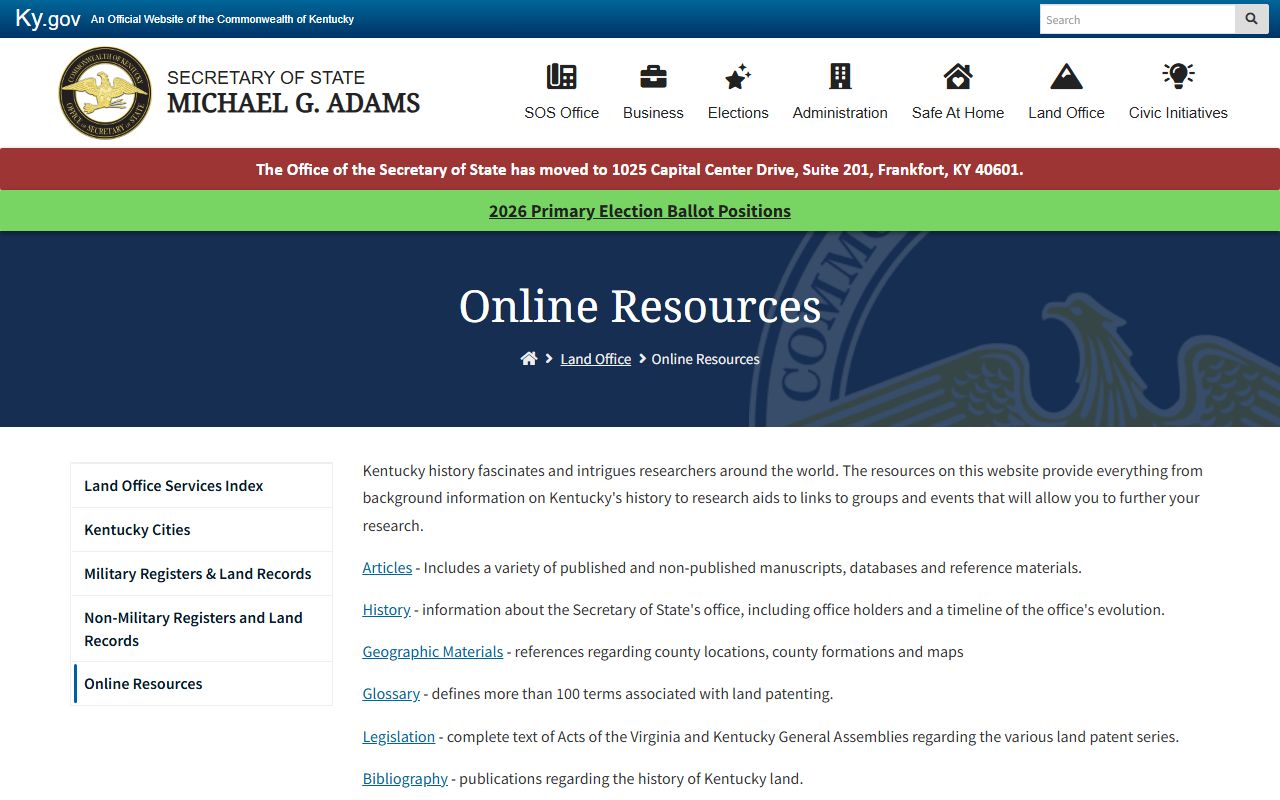
The Kentucky Secretary of State's Land Office serves as the repository for historical land patents. This office holds records dating back to Virginia grants from 1773 through 1792. The Land Office maintains searchable databases for military warrants, non-military warrants, and resulting patents. Visit sos.ky.gov/land to explore these historical Kentucky land records. These documents predate county clerk records and trace back to original land grants.
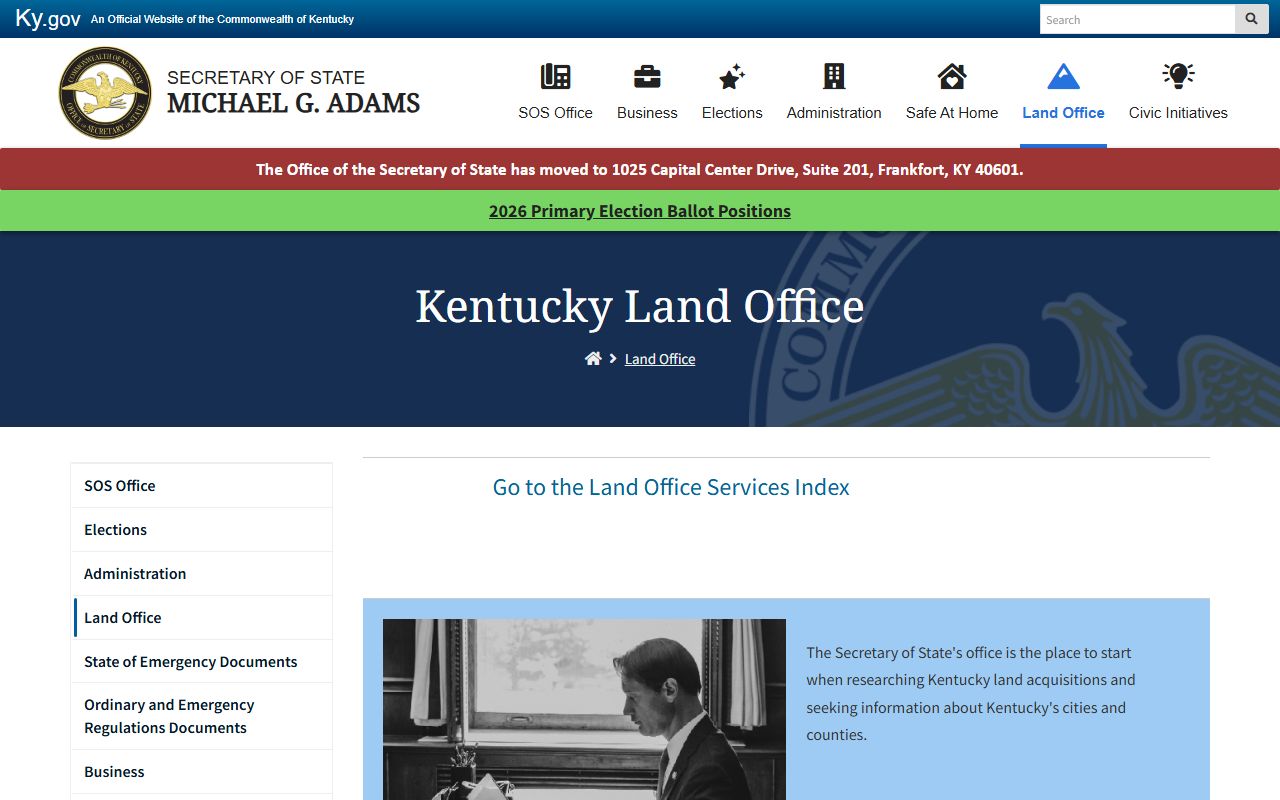
The Secretary of State Land Office provides access to military warrants from the French and Indian War, Lord Dunmore's War, and Revolutionary War. You can also search non-military warrants and Kentucky land warrants from 1816 to 1873. The database includes grants south of the Green River and west of the Tennessee River. County court orders from 1836 to 1955 are also available.
How to Search Deed Records in Kentucky
Finding deed records in Kentucky starts with identifying the correct county. Property records are filed in the county where the land sits. Each county clerk maintains an index of recorded documents. Modern records are often available online through county portals. Older records may require visiting the clerk's office.
Many Kentucky counties offer free online access to land records. Jefferson County provides a comprehensive online system at search.jeffersondeeds.com. This service is free with no charge for viewing or printing. Fayette County offers access at fayettedeeds.com covering records from 1970 to present. Warren County and Oldham County use the eCCLIX system for online access. Christian County uses Courthouse Computer Systems for their portal.
When searching online, you typically need the property owner's name or a reference number. Most systems allow searching by party name, date range, or document type. Deeds, mortgages, and liens are indexed separately. Some counties offer fraud alert services that notify you when documents are recorded under your name.
For records not available online, visit the county clerk's office in person. Staff can assist with searching indexes and retrieving documents. Bring identifying information such as names, dates, or property descriptions. Copy fees vary by county but typically run $0.50 per page. Certified copies cost extra.
Types of Deed Records in Kentucky
Kentucky deed records include various document types. Each serves a different purpose in property transactions. Understanding these documents helps you find the right records for your needs.
Warranty deeds transfer property with guarantees about the title. The grantor warrants they own the property free of liens. Quitclaim deeds transfer interest without warranties. These are common in family transfers or divorce settlements. Both types must be recorded with the county clerk to be effective against third parties under KRS 382.080.
Mortgages secure loans with property as collateral. Kentucky requires mortgages to include the amount, maturity date, and lender address per KRS 382.110. When paid off, a release of mortgage is recorded. Assignment documents transfer mortgage rights to another lender. These records create a chain of title showing ownership history.
- Warranty Deeds - Transfer with title guarantees
- Quitclaim Deeds - Transfer without warranties
- Mortgages - Secure property loans
- Liens - Claims against property
- Plats - Property surveys and subdivisions
- Easements - Rights to use property
- Power of Attorney - Authority to act for another
Other recorded documents include powers of attorney, plats, and easements. Affidavits of descent transfer property from estates. Mechanic's liens secure payment for construction work. UCC filings secure personal property loans. Each document type has specific recording requirements.
Kentucky Deed Recording Requirements
Recording deeds in Kentucky requires following specific rules. The Kentucky County Clerks Association adopted PRIA formatting standards effective January 1, 2020. These standards ensure documents can be scanned and indexed properly. KRS 382.335 requires a preparation statement on all deeds.
Documents must be on white paper without watermarks. Page size should be 8½ x 11 inches preferred, with 8½ x 14 accepted. Print on one side only using black ink. The first page needs a 3-inch top margin for recording information. All other margins must be at least 1 inch. Font should be 10-point Times New Roman or equivalent. Documents cannot have staples, binding, or colored highlights.
Required elements for recording include original signatures with names typed beneath. Grantor and grantee mailing addresses must appear on the deed. Include the tax bill "in-care-of" address. A preparer's name and address statement is mandatory. The legal description and source of title reference are required. An affidavit of consideration or gift affidavit may be needed.
Note: Documents not meeting these standards may be rejected for recording. Check with your county clerk before submitting.
Deed Recording Fees in Kentucky
Recording fees in Kentucky are set by statute. Fees increased January 1, 2020 under the new standards. Costs vary based on document type and page count. Most counties follow the same fee schedule.
A deed costs $50 to record for up to 5 pages. Each additional page adds $3. Mortgages cost $80 for up to 30 pages. Additional pages are $3 each. Mortgage assignments cost $46 for up to 5 pages. Releases of mortgage follow the same pricing. Powers of attorney cost $50 for up to 5 pages. Plats cost $50 flat.
Transfer tax applies to most property sales. The rate is $0.50 per $500 of value or fraction thereof. The grantor (seller) pays this tax. It must be paid before the deed can be recorded. Some transfers are exempt from transfer tax. These include transfers between spouses and certain corporate transfers.
Copy fees are separate from recording fees. Standard copies typically cost $0.50 per page. Certified copies cost $5 for the first 3 pages plus $0.50 per additional page. Some counties offer subscription services for frequent users. These services charge monthly fees plus per-document download fees.
Property Fraud Protection in Kentucky
Property fraud is a growing concern across Kentucky. Scammers may try to record fake deeds or mortgages. Fraud alert services help protect property owners. Many Kentucky counties now offer free fraud notification services.
Jefferson County offers ClerkAlert through fraudalert.bislandrecords.com. This free service sends alerts when documents are recorded under your name. Fayette County provides Recording Notification Service (RNS) through their online portal. Oldham County offers DOC ALERT through the eCCLIX system. Christian County provides fraud alerts through fraudalertme.com.
These services work by matching your registered name against recorded documents. You receive an email alert when a match occurs. This early warning helps you detect fraud quickly. You can then contact the county clerk and law enforcement. Note that these services alert you after recording occurs. They do not prevent fraud but help you respond faster.
To sign up, visit your county clerk's website. Registration typically requires your name and email address. Some services allow monitoring multiple names or properties. This is useful for investors and property managers.
How to Get Copies of Deed Records
Obtaining copies of Kentucky deed records is straightforward. Options include online download, in-person visits, and mail requests. Choose the method that fits your timeline and budget.
Online access is fastest for recent records. Most county portals allow viewing and printing from home. Jefferson County's system is completely free. Other counties may charge subscription fees. Christian County charges $15 for a single day of access. Monthly and yearly plans are available for frequent users.
In-person visits work best for older records or certified copies. Visit the county clerk's deed room during business hours. Staff can help locate documents in the index. You can view originals and request copies on the spot. Bring exact change or a check for copy fees.
Mail requests are accepted by most county clerks. Send a written request with specific document information. Include names, dates, book and page numbers if known. Enclose a self-addressed stamped envelope and payment. Processing times vary but typically take one to two weeks.
Note: Certified copies are required for legal proceedings. Plain copies work for research and personal records.
Historical Kentucky Land Records
Kentucky's land records stretch back before statehood. Virginia issued land grants in Kentucky territory from 1773 to 1792. The Kentucky Secretary of State maintains these early records. The Land Office database includes Virginia grants and old Kentucky grants from 1793 to 1856.
The Digital Access Project of Kentucky (DAP) is digitizing historical records. This project covers documents from the late 1700s through 1865. Fayette County participates in this initiative. Over 193,000 pages from approximately 350 books are being digitized. These records are becoming available in online portals under "Non-Indexed Documents."
Researching historical deeds requires understanding Kentucky's land patent process. Early settlers selected vacant land and entered claims. After a three-month caveat period, warrants were authorized. Surveyors created plats from land descriptions. Grants or patents issued after officials received papers and fees. This four-step process created the original titles.
Many Kentucky families trace genealogy through land records. Deeds show family transfers across generations. They reveal relationships and migration patterns. County clerk offices maintain records dating to county formation. Some counties have deeds from the 1790s.
Electronic Recording in Kentucky
Electronic recording (e-recording) is available in most Kentucky counties. This allows documents to be submitted digitally. Title companies, attorneys, and lenders use this service. It speeds up the recording process and reduces paper handling.
Major e-recording vendors serve Kentucky counties. CSC offers service through erecording.com. Simplifile operates at simplifile.com. ePN provides service at goepn.com. Oldham County also accepts submissions through Indecomm and Hopdox. Contact these vendors to set up an account.
E-recorded documents must meet the same formatting standards. The system validates documents before submission. Clerks review and approve submissions electronically. Recording happens faster than paper documents. This helps expedite real estate closings.
Browse Kentucky Deed Records by County
Each Kentucky county maintains its own deed records. Select a county below to find local contact information and online resources.
Deed Records in Major Kentucky Cities
Major Kentucky cities maintain deed records through their county clerk. Select a city below to learn about accessing records in that area.